Looking across the Eurobarometer reports published in 2014, 2018, 2022 and 2026, the overall direction is positive, the latest Eurobarometer shows Malta matching the EU in frequent exercise, with encouraging opportunities to build an even more active nation.
Malta is showing encouraging developments in sport and physical activity, with the 2026 Sport and Physical Activity Survey highlighting an increase in the number of people engaging in exercise and sport on a regular basis.
The findings point towards a strengthening culture of physical activity in Malta, while also identifying important opportunities to make active lifestyles easier and more accessible in everyday life.
Increasing participation in exercise and sport
The latest results show a positive shift in the frequency with which people in Malta exercise or participate in sport.
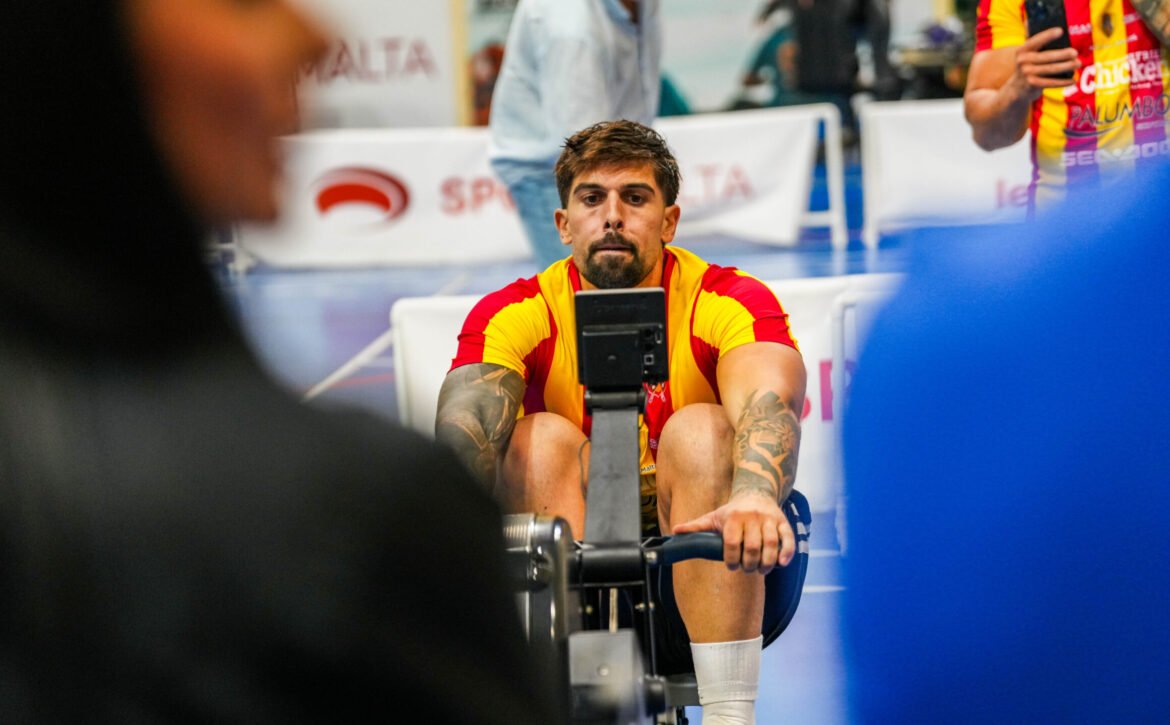
In 2026, 14% of the Maltese population reported exercising almost daily, while a further 34% reported exercising several times a week. This means that 48% of respondents were engaging in exercise or sport either daily or several times a week.
Compared with the European Union, Malta records a broadly similar level of participation among those exercising or participating in sport several times a week. At the same time, 14% of people in Malta exercise almost daily, compared with 9% at EU level in 2026.
These findings provide an encouraging basis for continuing to promote regular participation and making physical activity part of everyday life.
Growing engagement in physical activity outside sport
The survey also highlights positive changes in physical activity outside organised sport.
The proportion of people reporting that they never engage in physical activity outside sport decreased from 57% in 2014 to 26% in 2026. At the same time, those engaging in such activities with some regularity increased from 20% in 2014 to 38% in 2026, surpassing the EU figure of 36%.
This suggests that physical activity is increasingly becoming part of people’s lives beyond traditional sport participation.
Initiatives and campaigns such as European Week of Sport and SportMalta’s initiatives can contribute to this continued development by encouraging people not only to participate in sport, but also to incorporate more physical activity into their everyday routines.
Reducing prolonged sitting and encouraging everyday movement
While the survey highlights positive developments, it also identifies areas where further action is needed.
Around one quarter of the Maltese population spends more than eight and a half hours a day sitting, compared with 12% at EU level.
This highlights the importance of encouraging regular movement throughout the day, particularly for people whose daily routines involve long periods of sitting.
The challenge is therefore not only to encourage people to participate in organised sport, but also to promote movement throughout everyday life.
Making physical activity easier to fit into people’s lives
One of the most significant findings relates to where Maltese citizens engage in sport or other physical activity.
In 2026, 49% of respondents reported engaging in sport or other physical activity while travelling between home, school, work or shops. This demonstrates the important role that active travel can play in supporting physical activity.
This creates an opportunity to encourage walking, jogging, running and cycling as part of people’s everyday journeys.
Creating safe and accessible routes for walking, jogging and cycling in strategic locations could help people remain active while also making better use of the time they already spend travelling.
Making physical activity accessible to different age groups
The survey also highlights differences in the locations where people participate in physical activity.
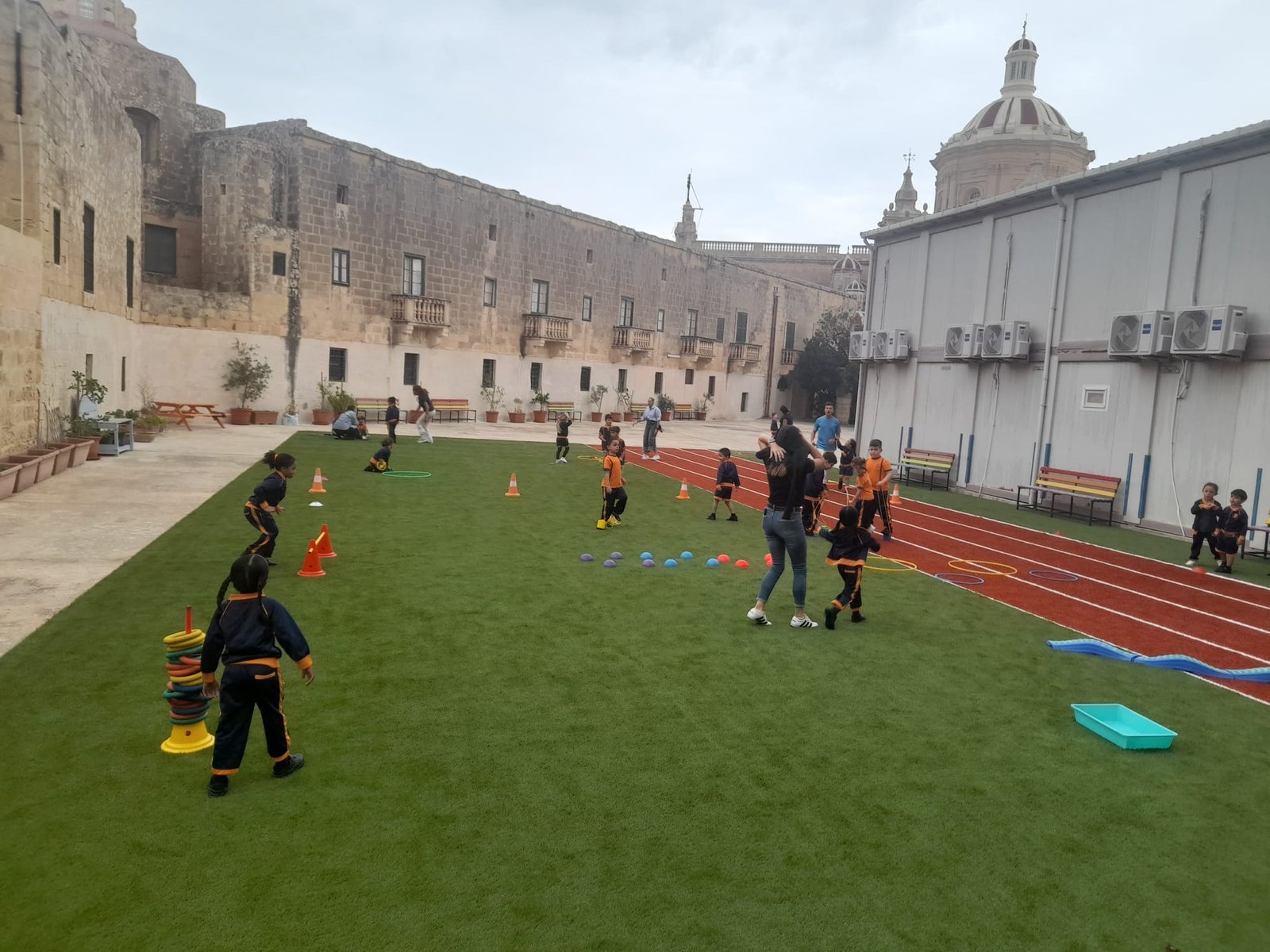
Only 1% (2026) of respondents reported engaging in sport or other physical activity at school or university, while participation in fitness centres has increased from 12% in 2014 to 22% in 2026.
As the survey covers participants aged 15 and over, the findings may also indicate changing preferences among younger people, youths are opting for the gym, benefiting from the government scheme instead of using school facilities.
These findings underline the importance of providing a variety of accessible opportunities for people to be active, whether through organised sport, fitness facilities, active travel or recreational activities.
Motivations and Barriers
The reasons people choose to participate in sport and physical activity, as well as the factors that prevent them from doing so, provide important insights into participation patterns.
The main motivations identified in the survey are improving or maintaining physical health and relaxation, while competition was identified as a less significant motivation. This reinforces the wider role of physical activity in supporting healthier lifestyles and personal wellbeing. Participation does not necessarily have to be centred around competition; for many people, being active can simply be a way of maintaining their health, relaxing and improving their overall quality of life.
At the same time, the survey identifies lack of time as the biggest barrier preventing people from engaging more in physical activity and sport. This highlights the importance of developing approaches that allow people to incorporate physical activity into their existing daily routines.
Active travel provides one such opportunity. Encouraging people to walk, jog or cycle as part of their daily journeys could help address the time barrier while simultaneously supporting healthier lifestyles. Developing safe and accessible paths for walking, jogging, running and cycling in strategic locations could therefore make physical activity more convenient and easier to integrate into everyday life.
Overall, the findings suggest that encouraging participation requires not only understanding why people choose to be active but also addressing the practical barriers that make it difficult for them to do so.
Sport plays an important role in Maltese life
The findings also demonstrate that sport has an important place in the lives of people in Malta.
In 2026, 33% of respondents stated that sport definitely plays an important role in their lives, whether as a participant, regular or occasional viewer, supporter or in another capacity. A further 31% stated that sport plays an important role somewhat.
At EU level, the corresponding figures were 23% and 32% respectively.
These findings demonstrate that sport is relevant to Maltese society in different ways and is not limited to participation alone.
Sport, physical activity, the environment and volunteering
The survey also considers the relationship between sport, physical activity and the environment.
The findings indicate that environmental considerations have a role in people’s engagement with sport and physical activity, with the reported figures between 26% and 36% in relation to paying attention to the environment while participating in sport and physical activity.
Volunteering represents another area for development. The survey indicates that a large proportion of the Maltese population is not currently willing to engage in voluntary work supporting sporting activities. These findings are also reflected at EU level, where the 2026 Special Eurobarometer on Sport and Physical Activity similarly examined citizens’ awareness of the environmental impact of sport and their involvement in volunteering, indicating that Malta’s results follow broader European trends.
Strengthening opportunities for people to become involved in volunteering could therefore contribute to the wider development of Malta’s sporting culture and support sports organisations and communities.
Building on Malta’s progress
Taken together, the 2026 Sport and Physical Activity Survey provides an encouraging picture of Malta’s engagement in sport and physical activity. The increase in regular participation, the growth in physical activity outside organised sport, and the important role of active travel demonstrate the progress already being made and provide a strong foundation on which to build.
Going forward, the focus should be on building on what we have already achieved by sustaining the growth in regular participation and providing diverse opportunities for people to be active through sport, fitness and recreation. This includes encouraging physical activity alongside organised sport and making it easier for people to incorporate movement into their everyday routines. Promoting walking, jogging, running and cycling through safe and accessible routes can further support active lifestyles and help make physical activity a natural part of daily life.
At the same time, the findings highlight areas that require continued attention. These include reducing prolonged periods of sitting, increasing opportunities for physical activity within educational settings, and addressing lack of time as a major barrier to participation. Strengthening environmental awareness in sport and physical activity and encouraging greater participation in volunteering can also contribute to the continued development of Malta’s sporting culture.
Overall, the findings provide an opportunity to build on existing progress while continuing to address the areas where further action is needed, ensuring that sport and physical activity remain accessible and relevant to people throughout their lives.
Towards a more active Malta
The 2026 findings demonstrate that Malta has a strong foundation on which to continue building a more active society.
The increase in regular exercise and sport participation is an encouraging development. At the same time, the findings show that the future of physical activity should extend beyond organised sport and include the many ways people can move throughout their everyday lives.
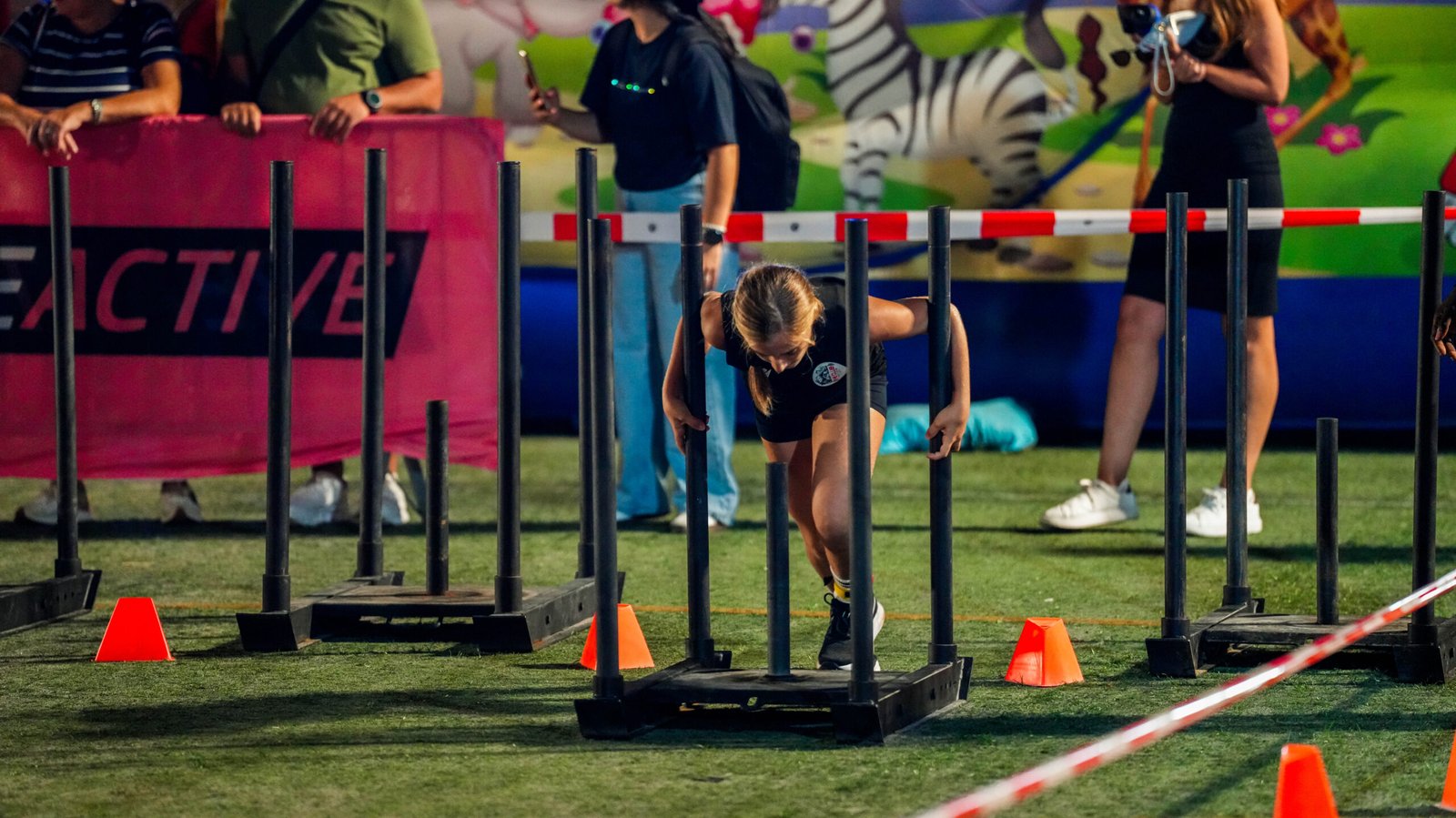
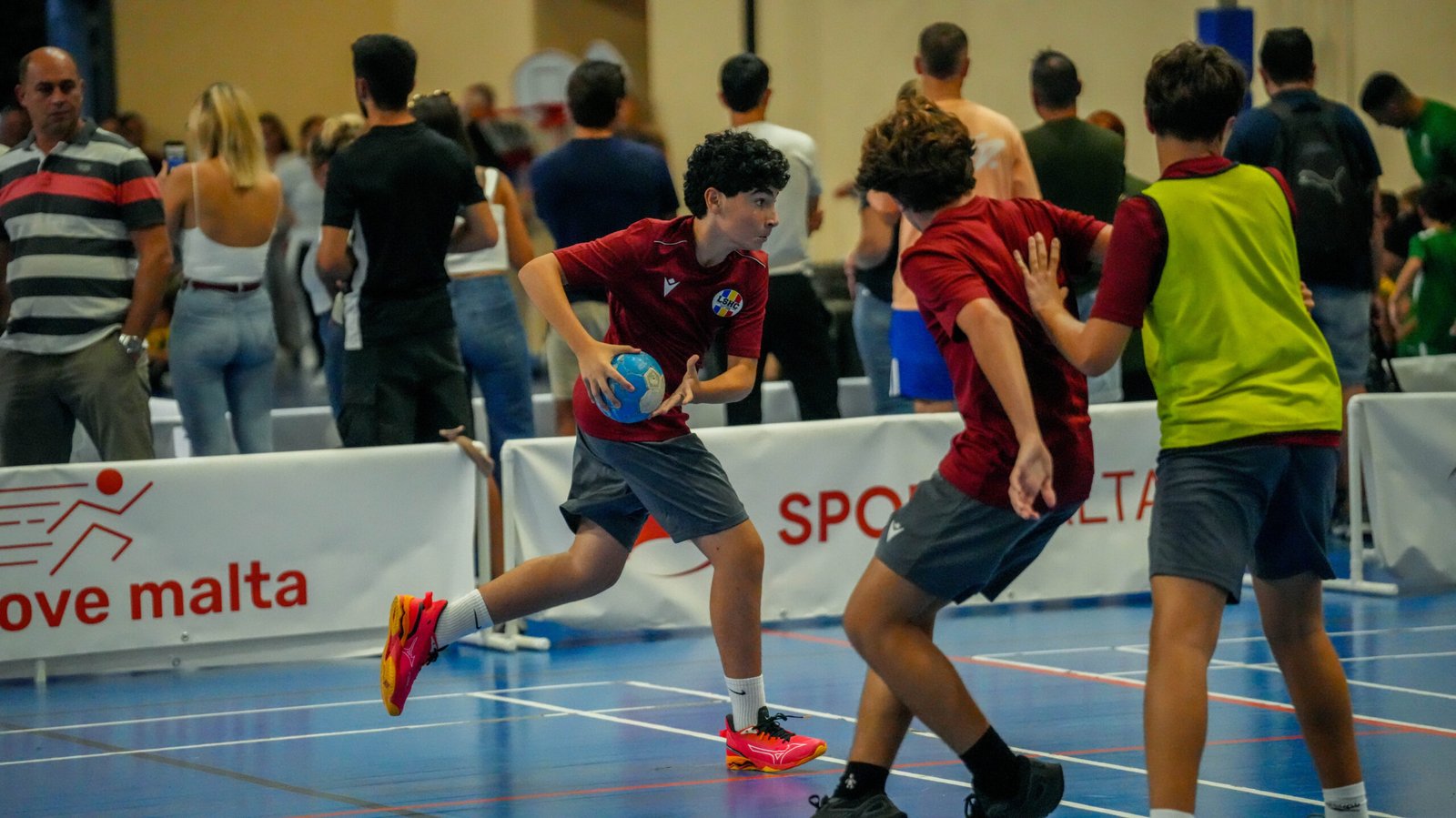
Walking to work or the shops, cycling, jogging, recreational activity, fitness and participation in organised sport can all contribute to a more active lifestyle.
The challenge ahead is to make these opportunities accessible, convenient and appealing to more people, while addressing the barriers that prevent participation.
By building on the progress already achieved and creating more opportunities for movement in everyday life, Malta can continue to strengthen its culture of sport and physical activity and support a healthier and more active population.