As part of the Celebrating Sport in Malta 2026 initiative, SportMalta brought together the country’s sporting community for two landmark events that highlighted the power of sport as a driver of national development. A high-level conference and the prestigious SportMalta Recognition Night 2026 provided a platform for dialogue, learning and celebration, uniting federations, associations, clubs, volunteers and key stakeholders. Together, these events showcased Malta’s commitment to sustainability, inclusion, innovation and excellence, while recognising the individuals and organisations shaping the future of sport across the islands.
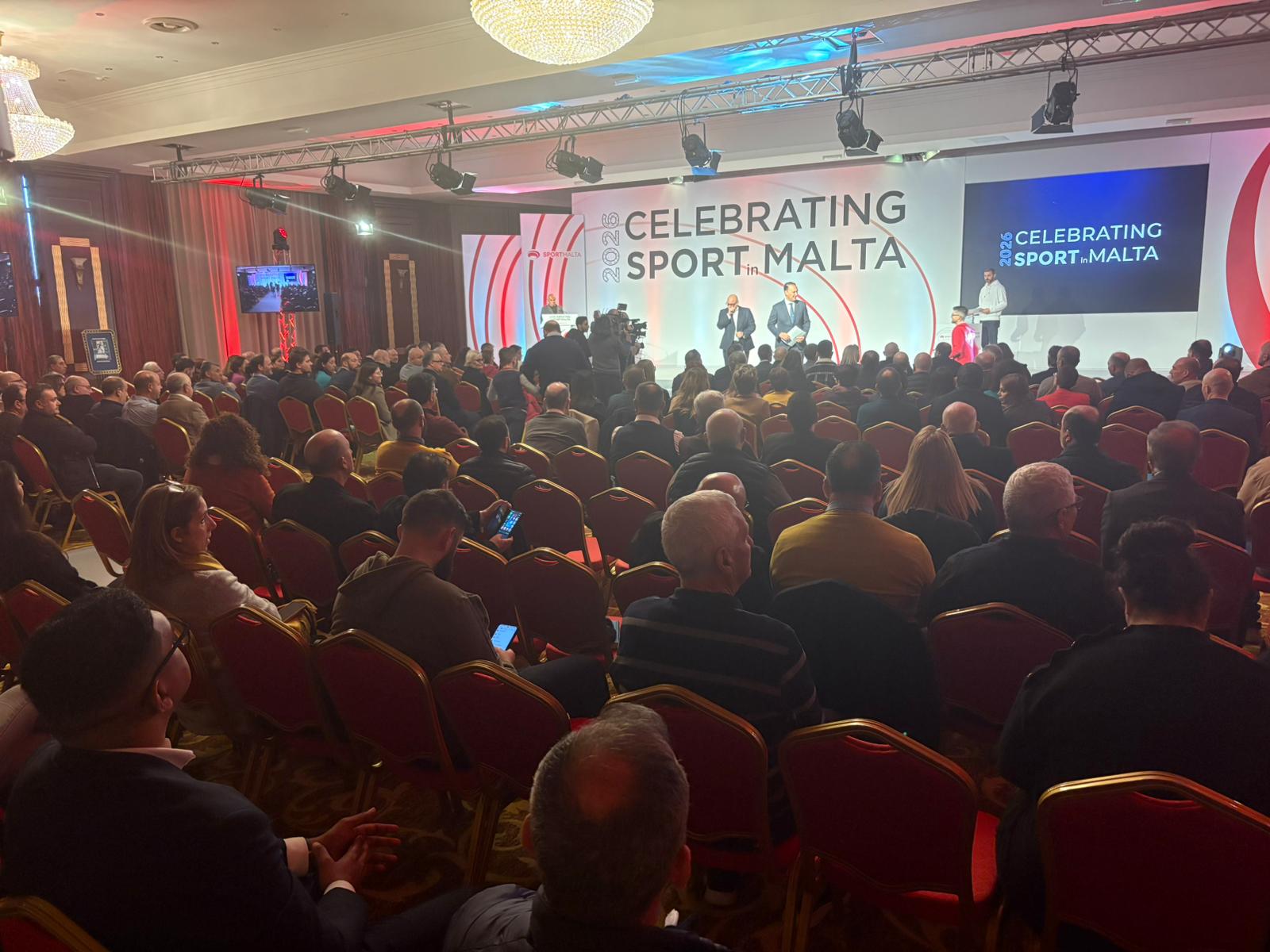
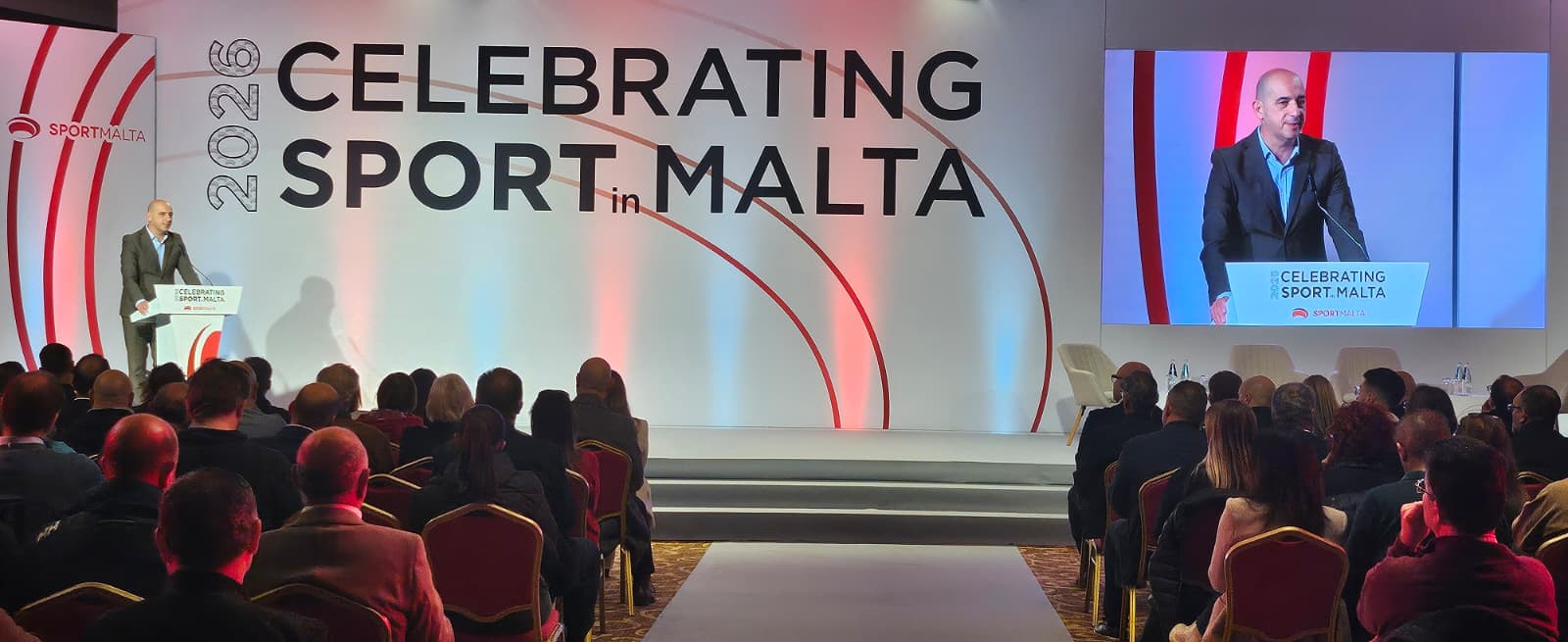
SportMalta hosted a landmark conference as part of the Celebrating Sport in Malta 2026 initiative, bringing together federations, associations, clubs and key stakeholders for a day of dialogue, learning and recognition. Held at the Excelsior Hotel, the conference set the tone for the years ahead by focusing on sustainability, funding, inclusion and the future of Maltese sport at every level.
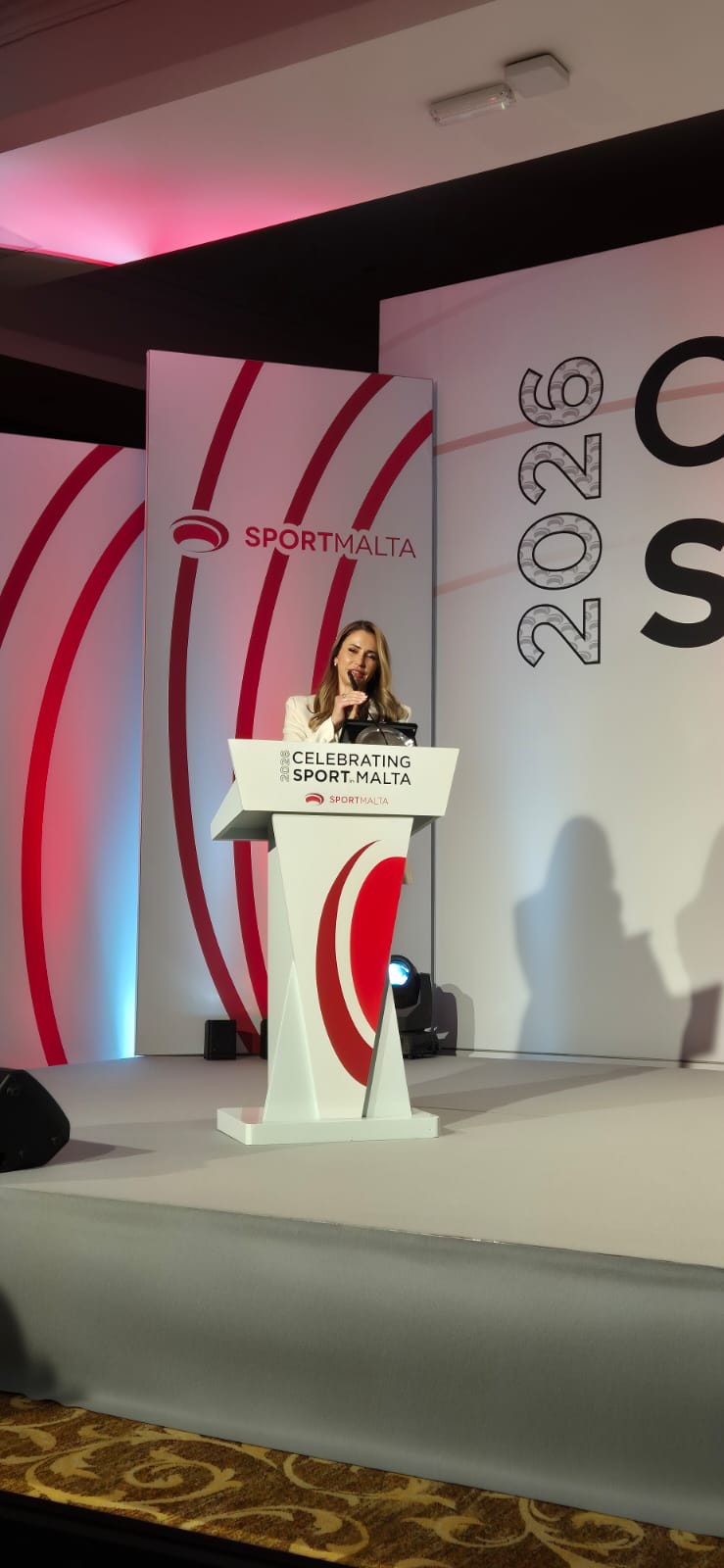
The conference was officially opened by Dr Lydia Abela, who addressed all those present and highlighted the importance of sport as a driver of wellbeing, social cohesion and national pride, noting that sport plays a vital role in nurturing both physical and mental health while strengthening community bonds and a shared sense of national identity. She emphasised that investing in sport is an investment in healthier communities and a stronger society.
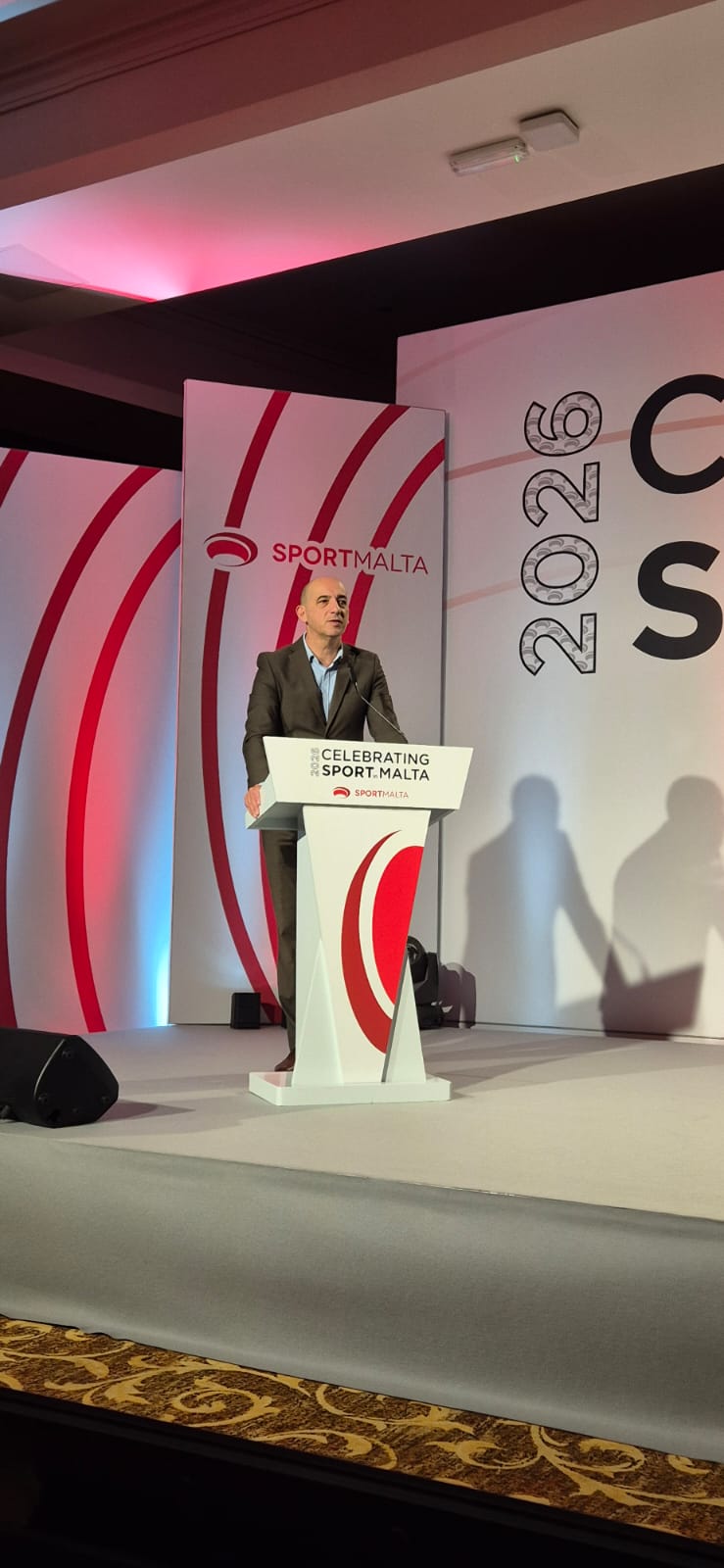
SportMalta CEO Mark Cutajar also addressed participants, outlining the entity’s continued commitment to supporting sports organisations throughout their development journey and explaining that, through its schemes and initiatives, SportMalta aims to provide the necessary tools, resources and opportunities for Maltese sport to continue growing both locally and internationally.
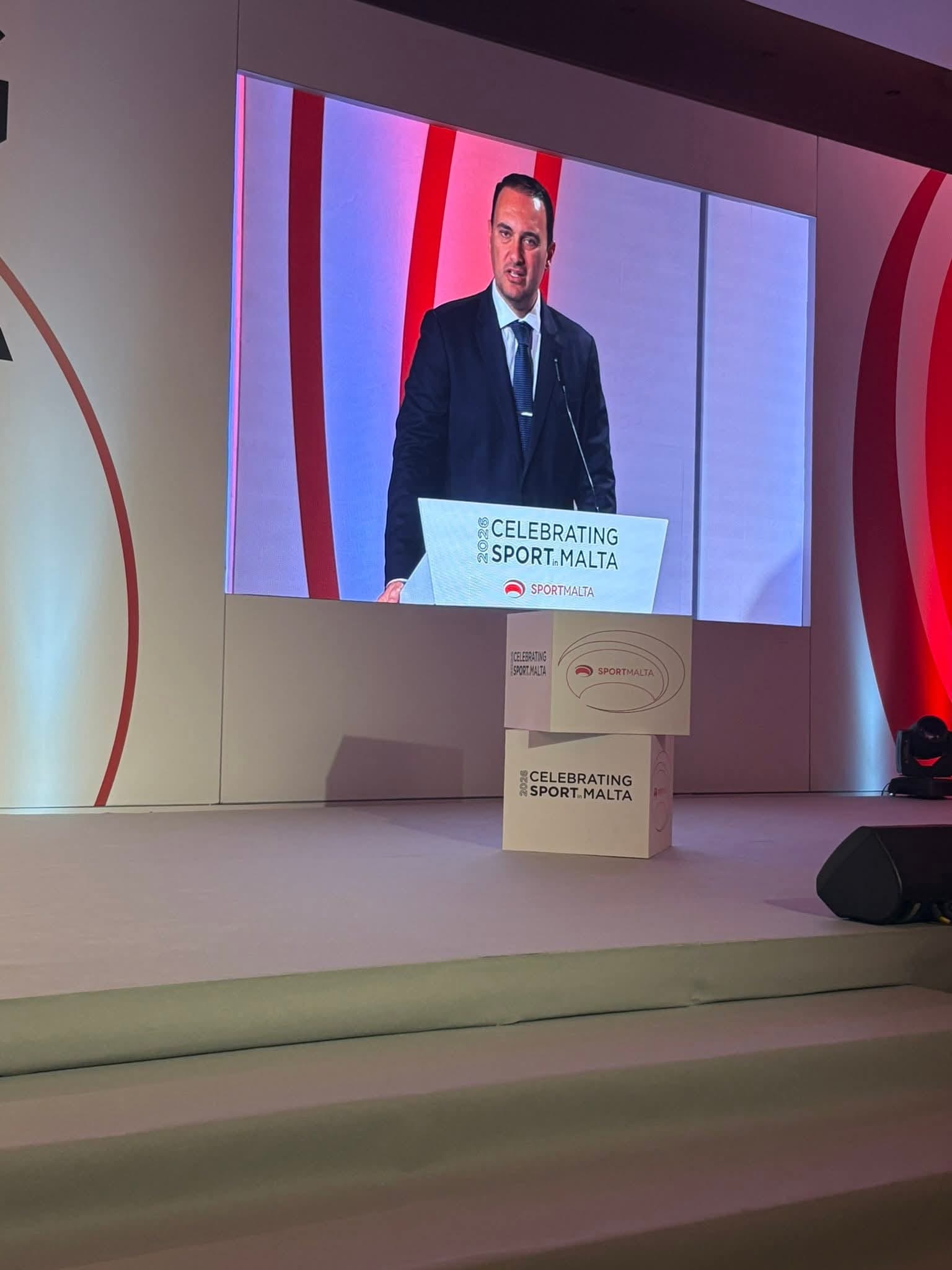
This was followed by an address from the Permanent Secretary within the Ministry for Education, Sport, Youth, Research and Innovation, Mr Matthew Vella, who reaffirmed the Ministry’s support for the sector and stressed that close collaboration with SportMalta and all stakeholders remains essential to ensure that sport continues to be a key pillar within the national strategy, supporting participation, excellence and long-term sustainability across all levels of sport.
A key highlight of the programme was the expert presentation titled “Navigating the EU Funding Maze, Pathways Every Sport Organisation Should Know” delivered by Mr Fabio Silva, Senior Policy Officer at the Institute of Sport and Youth in Portugal. Mr Silva provided a clear and practical overview of how sports bodies can better access and utilise European Union funding. He explained the main EU instruments most relevant to sport, including Erasmus+ Sport, which supports grassroots sport, integrity, inclusion and mobility, European Social Fund Plus (ESF+), which can fund skills, employability and social inclusion projects linked to sport, and European Regional Development Fund (ERDF), which can support sport-related infrastructure and innovation.
Mr Silva also stressed the importance of aligning project ideas with EU priorities such as sustainability, digitalisation, equality and youth participation. He guided organisations through the typical funding cycle, from needs analysis and partnership building to proposal writing, budgeting, implementation and reporting, and shared practical tips on how small and medium sized sports organisations can compete successfully at European level by forming strategic partnerships and focusing on high impact, community driven projects.
This was followed by a dynamic panel discussion titled “From Local Action to European Support, Unlocking EU Funding Opportunities.” The panel brought together three professionals who approach EU funding from complementary perspectives, Mr Peter Busuttil, Head of Football Social Responsibility at the Malta Football Association, Ms Rose Marie Mercieca, Director Corporate Services at SportMalta and Mr Brian Schembri, Programme Manager at EUPA Malta.
The discussion explored how local clubs and federations can translate their everyday activities into fundable European projects. Mr Busuttil shared how football’s strong community reach makes it an ideal platform for EU-funded initiatives in areas such as social inclusion, youth development and anti-discrimination. Ms Mercieca outlined SportMalta’s role in guiding organisations through compliance, governance and financial management, all essential to becoming EU-funding ready. Mr Schembri explained EUPA’s support structures, including information sessions, partner searches and technical assistance, which help applicants improve the quality and success rate of their proposals. Together, the panel emphasised that EU funding is not just about money, but about building sustainable structures, professionalising operations and creating long-term impact.
Another valuable contribution came from Mr Kurt Formosa, who spoke about “The Role of Komunità Malta in Supporting Sport Organisations.” In his intervention, Mr Formosa explained how Komunità Malta works closely with voluntary organisations to strengthen governance, transparency and community engagement. He highlighted the importance of good administration, safeguarding, and inclusive practices, and showed how these areas not only improve the credibility of sports bodies but also make them more attractive to national and European funders. Komunità Malta, he noted, acts as a bridge between sport and the wider voluntary sector, ensuring that clubs can better serve their members and their communities.
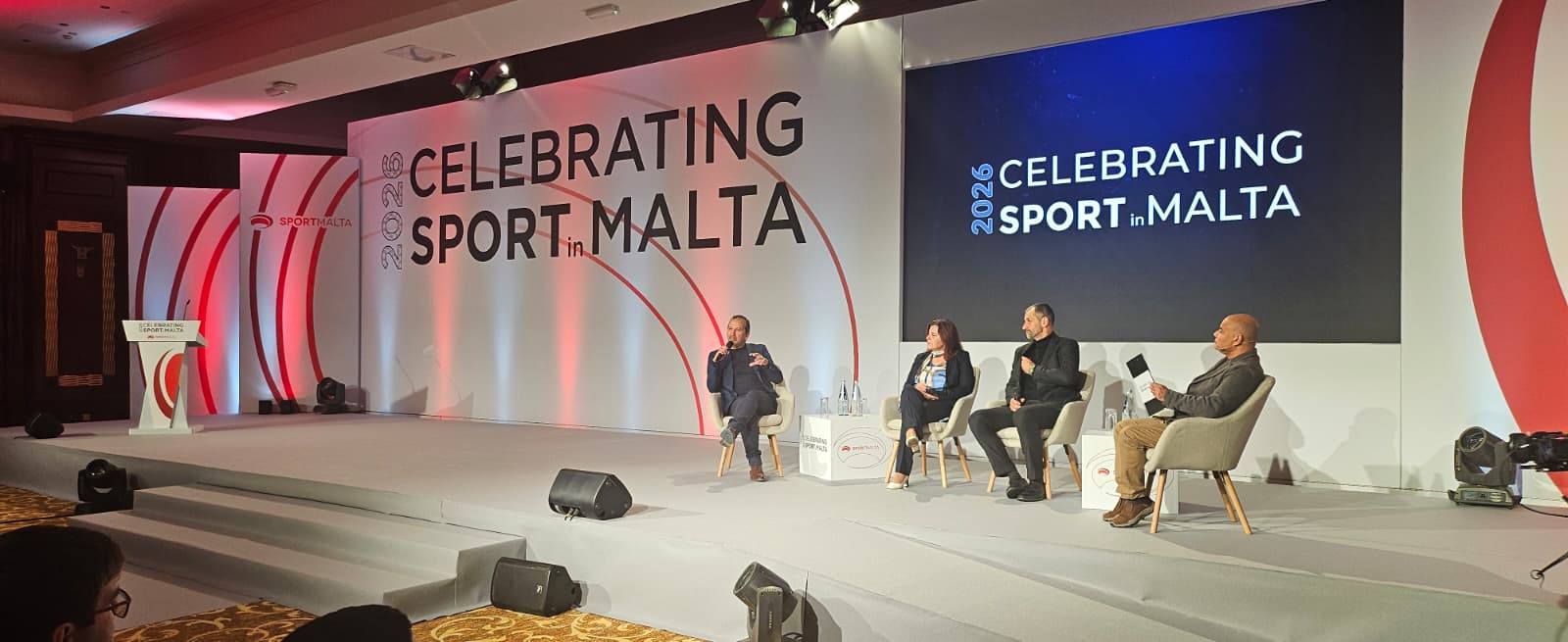
The conference also addressed the evolving international dimension of Maltese sport through a focused session on “Talent Without Borders, Foreign Athletes and the Future of Local Sport.” This discussion examined how the presence of foreign athletes can raise competitive standards, introduce new expertise and create cultural exchange, while also highlighting the need to protect and develop local talent. The session underlined the importance of balanced policies that promote integration, fair competition and opportunities for Maltese athletes, ensuring that international participation strengthens rather than displaces the local sporting ecosystem.
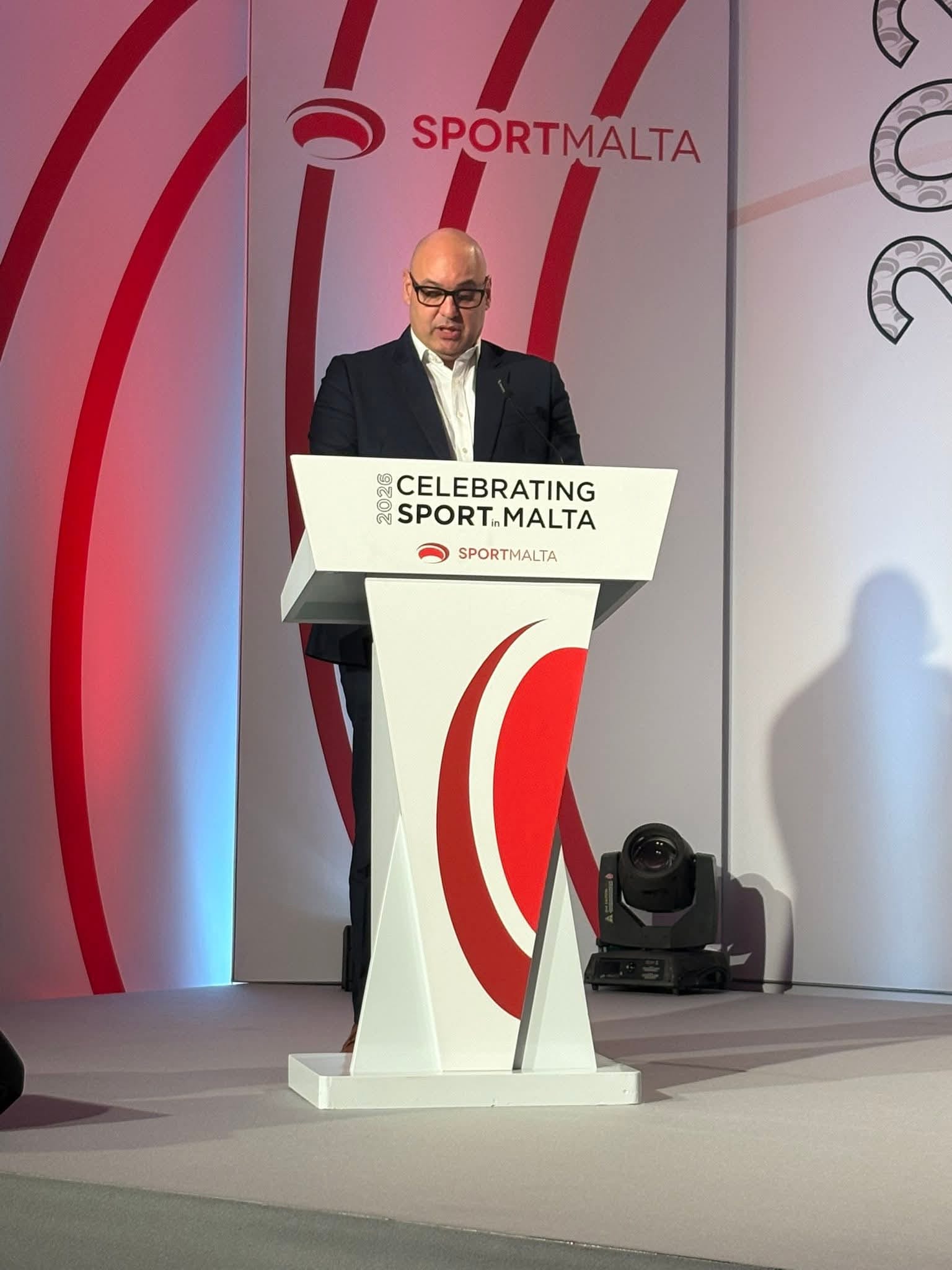
In his closing remarks, SportMalta Chairman Mr Matthew Pisani praised the entity’s employees for their dedication and commitment, and thanked all federations, associations and clubs for their invaluable voluntary work. He underlined that the financial assistance being provided represents a real boost for the entire sector, enabling organisations to continue improving standards, investing in people and delivering better services to athletes and communities across Malta and Gozo.


“Funded by the European Union. Views and opinions expressed are however those of the author(s) only and do not necessarily reflect those of the European Union. Neither the European Union nor the granting authority can be held responsible for them.”